
AI writing tools have transformed content creation, helping marketers, writers, and businesses produce high-quality content at scale. From blog posts and social media copy to novels and technical documentation, these tools leverage large language models to generate, edit, and optimize written content. In 2026, the AI writing tool market is more sophisticated than ever, with tools tailored to specific use cases and industries. This guide helps you find the best AI writing tool for your content needs.
Key Features to Look For
- Content quality and writing style flexibility
- SEO optimization features (keywords, meta descriptions, readability)
- Brand voice customization and consistency
- Plagiarism detection and originality scoring
- Multi-language support
- Integration with CMS and marketing tools
- Team collaboration and workflow features
- Content templates and frameworks
- Fact-checking and citation capabilities
Top AI Writing Tools Compared
| Tool | Best For | Price | Key Feature |
|---|---|---|---|
| Jasper | Marketing teams | $49/mo+ | Brand voice + campaigns |
| Copy.ai | Sales & marketing | $49/mo+ | Workflow automation |
| Writer | Enterprise | Custom | Governance + compliance |
| Sudowrite | Creative writing | $19/mo+ | Fiction-focused features |
| Grammarly | Editing & grammar | $12/mo+ | Real-time suggestions |
| Notion AI | All-in-one workspace | $10/mo+ | Docs + AI integration |
1. Jasper — Best for Marketing Teams
Jasper (formerly Jarvis) has established itself as the leading AI writing platform for marketing teams. Its strength lies in its campaign-oriented workflow — you can create an entire marketing campaign from a single brief, generating blog posts, social media content, email sequences, ad copy, and more. Jasper's Brand Voice feature ensures all content matches your brand's tone and style, maintaining consistency across channels. The platform also includes SEO optimization, plagiarism checking, and integration with popular tools like Surfer SEO, Google Docs, and WordPress.
Best for: Marketing agencies, content teams, and businesses that need to produce multi-channel content at scale while maintaining brand consistency.
2. Copy.ai — Best for Sales and Marketing Workflows
Copy.ai focuses on automating sales and marketing workflows, going beyond simple content generation to offer end-to-end automation. Its Workflows feature allows you to create automated sequences — for example, researching a prospect, personalizing an outreach email, and following up based on their response. Copy.ai's sales-focused features like prospect research, LinkedIn outreach, and cold email generation make it particularly valuable for sales teams. It also offers a wide range of marketing templates for social media, ads, blogs, and more.
3. Writer — Best for Enterprise
Writer is an enterprise-focused AI writing platform that emphasizes governance, compliance, and brand consistency. What sets Writer apart is its robust enterprise features — including custom terminology management, style guide enforcement, sensitive data handling, and role-based access controls. Writer's generative AI can be fine-tuned on your company's content, ensuring it produces on-brand, compliant writing. It integrates with popular enterprise tools like Salesforce, Zendesk, and Microsoft Office. For large organizations that need AI writing capabilities with enterprise-grade security and governance, Writer is the top choice.
4. Sudowrite — Best for Creative Writing
Sudowrite is designed specifically for fiction writers and creative professionals. Unlike general-purpose writing tools, Sudowrite offers features tailored to storytelling — including character development, plot generation, dialogue creation, and even a 'Show, Don't Tell' feature that transforms telling prose into vivid showing. Its Story Engine can generate entire novels from a premise, handling plot structure, character arcs, and chapter-by-chapter generation. Sudowrite's interface is designed for long-form writing, with features like manuscript view, chapter organization, and revision tracking. For novelists, screenwriters, and creative writers, Sudowrite is unmatched.
5. Grammarly — Best for Editing and Grammar
Grammarly has evolved from a simple grammar checker into a comprehensive AI writing assistant. While its core strength remains real-time grammar, spelling, and punctuation checking, GrammarlyGO — its generative AI feature — can now rewrite, expand, and generate content. Grammarly's strength is its ubiquity: it works everywhere you write, from email clients and web browsers to word processors and social media. Its tone detection, clarity suggestions, and plagiarism checking make it a valuable tool for any writer. For users who primarily need editing and polishing rather than full content generation, Grammarly is the obvious choice.
6. Notion AI — Best for All-in-One Workspace
Notion AI integrates AI writing capabilities directly into the Notion workspace, making it ideal for teams that already use Notion for documentation, project management, and knowledge bases. With Notion AI, you can generate content, summarize long documents, extract action items, translate text, and even create meeting notes — all without leaving your Notion workspace. Its ability to contextually understand your existing documents and generate content based on them makes it particularly powerful for knowledge management and documentation. For teams that live in Notion, adding AI capabilities is a natural extension that enhances productivity.
How to Choose the Right AI Writing Tool
- Marketing agencies and content teams → Jasper for campaign management
- Sales teams and outreach → Copy.ai for workflow automation
- Large enterprises → Writer for governance and compliance
- Novelists and creative writers → Sudowrite for fiction-focused features
- Students and professionals → Grammarly for editing and grammar
- Notion users → Notion AI for integrated workspace AI
Tips for Writing Better Content with AI

- Provide detailed briefs — the more context you give, the better the output
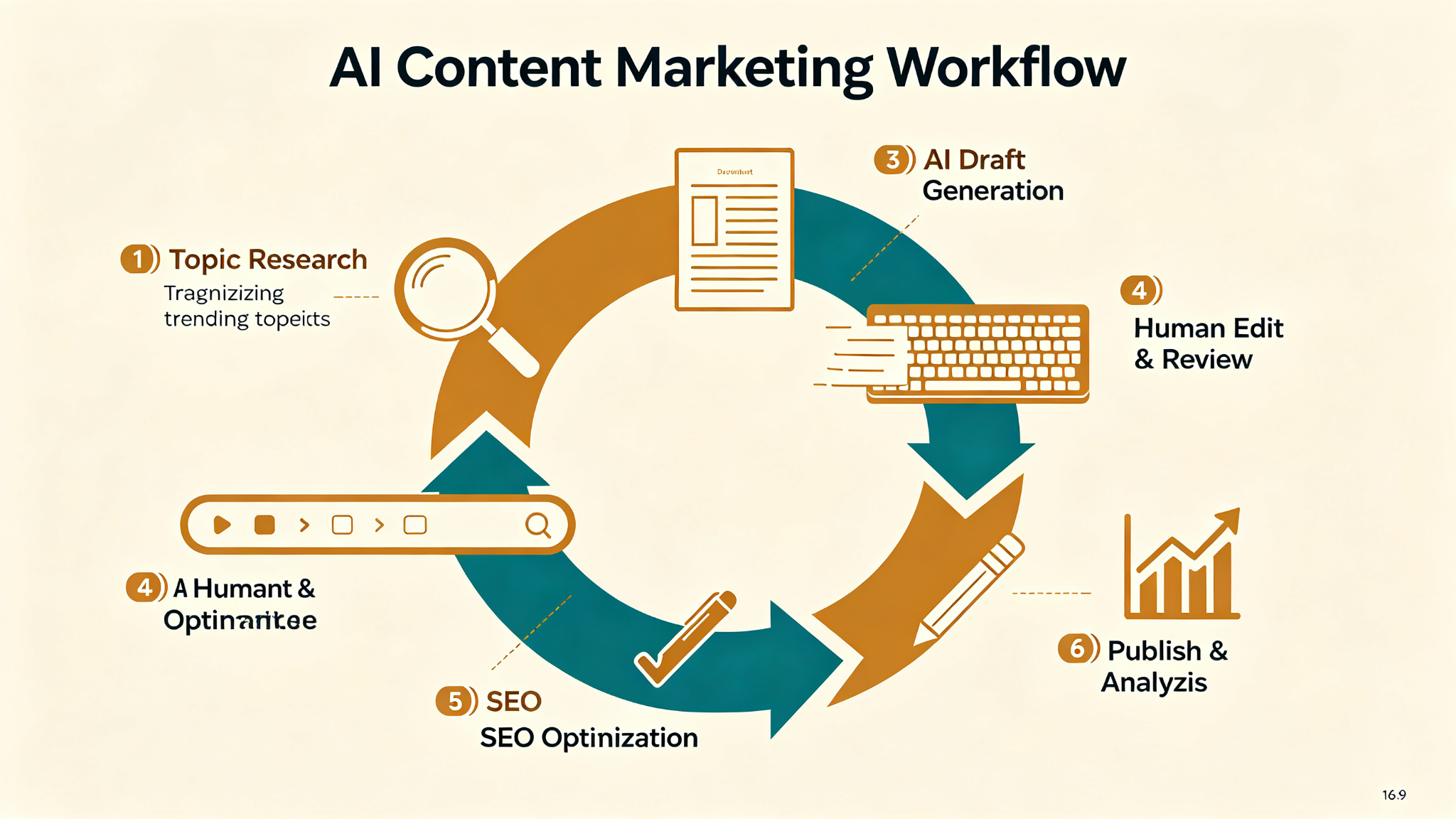
- Use AI for first drafts, then add your unique voice and perspective
- Fact-check all AI-generated content, especially statistics and claims
- Edit for flow and readability — AI can be repetitive or generic
- Use AI for brainstorming and outlining, then write the key points yourself
- Experiment with different prompts and settings to find your workflow
- Always run plagiarism checks on AI-generated content
- Keep a swipe file of your best AI prompts for reuse
Final Thoughts
AI writing tools in 2026 are powerful assistants that can dramatically increase your content output, but they work best when combined with human creativity and judgment. The most successful content creators use AI to handle the heavy lifting — research, first drafts, formatting — while focusing their own energy on strategy, unique insights, and brand voice. Whether you're a marketer scaling content production, a novelist writing your next book, or a student polishing an essay, there's an AI writing tool that fits your needs. The key is to experiment, find your workflow, and use AI as a tool to amplify your own voice rather than replace it.