SwarmVault
Build knowledge graphs from any content. PDF, Word, video, YouTube → graph database. Semantic search over your knowledge.

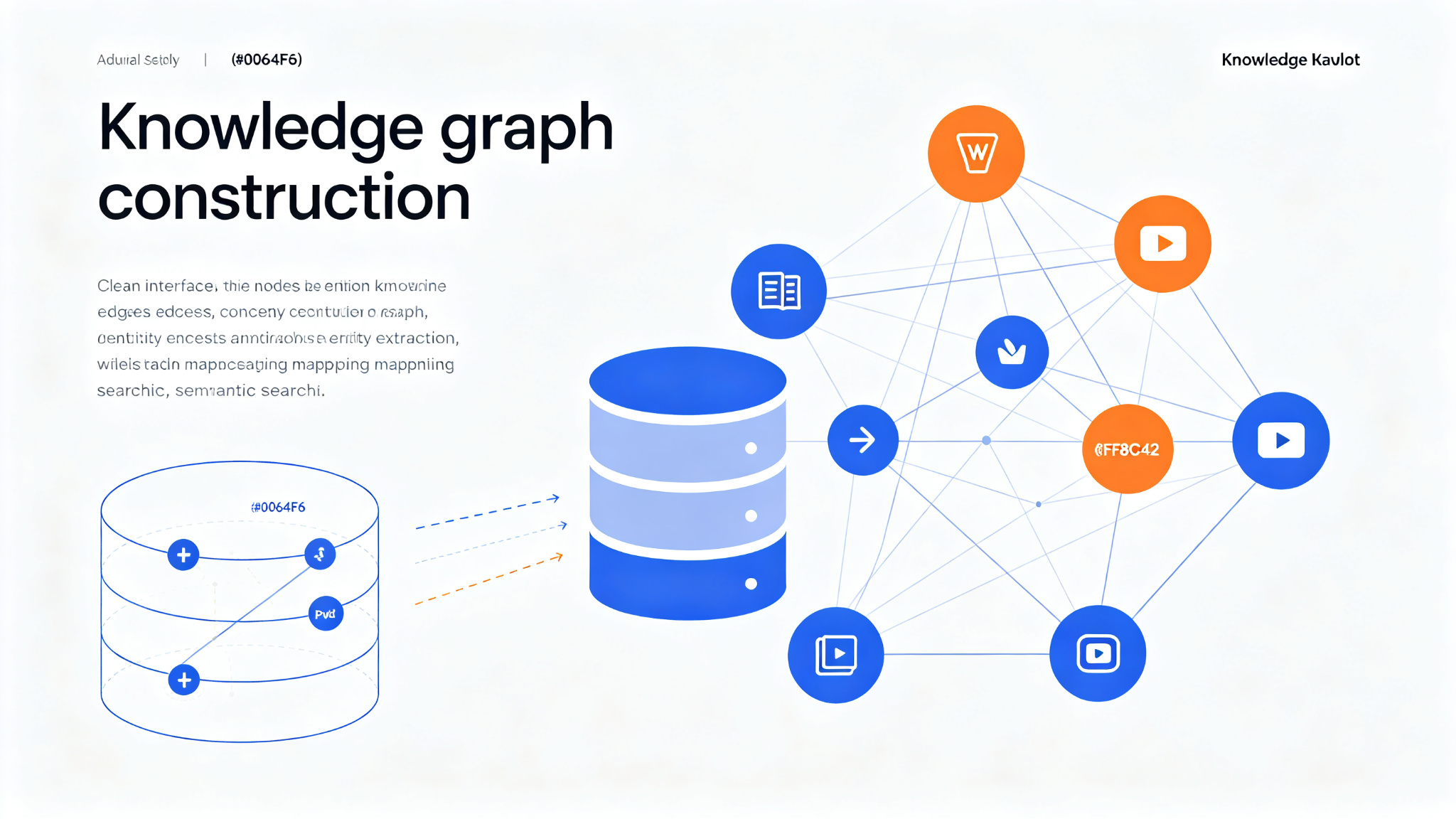
SwarmVault is a knowledge graph construction tool that transforms unstructured content into structured, queryable knowledge graphs. Feed it PDFs, Word documents, videos, YouTube URLs, or text, and it extracts entities, relationships, and events to build a graph database. Features include multi-document ingestion, entity resolution, relationship extraction, semantic search, graph visualization, and natural language querying. Perfect for researchers, analysts, teams managing large document collections, and anyone who wants to discover hidden connections in their knowledge. Supports multiple graph backends and export formats.
Key Features
- Multi-format ingestion: PDF, Word (.docx), text files, videos, YouTube URLs, web pages
- Entity extraction: automatically identify people, organizations, locations, dates, concepts, products, and more
- Relationship extraction: discover connections between entities (works-for, located-in, part-of, influences, etc.)
- Event extraction: identify and timeline events mentioned across documents
- Entity resolution: merge duplicate entities across documents using fuzzy matching and context analysis
- Knowledge graph construction: build a structured graph from extracted entities and relationships
- Semantic search: search your knowledge graph by meaning, not just keywords — find related concepts and connections
- Natural language querying: ask questions in plain English, get answers from the graph with evidence
- Graph visualization: interactive graph viewer with node filtering, relationship highlighting, and layout options
- Multi-document analysis: ingest hundreds of documents and discover cross-document connections
- YouTube video processing: transcribe videos and extract knowledge from spoken content
- Video processing: extract audio, transcribe, and build knowledge graphs from video content
- Timeline generation: automatically create chronological timelines from events in your documents
- Summary generation: AI-generated summaries of document collections and graph subgraphs
- Export formats: JSON, CSV, GraphML, Neo4j Cypher, RDF, Markdown reports
- Multiple graph backends: in-memory graph, Neo4j, NetworkX, or custom graph database
- Incremental updates: add new documents without rebuilding the entire graph
- Confidence scoring: every entity and relationship has a confidence score for quality filtering
- Cross-platform: Windows, macOS, Linux
Ratings & Reviews
Loading reviews…
Related Tools
DeepTutor
Agent-native lifelong personalized tutoring workspace by HKUDS — chat tutoring, problem solving, quiz generation, research and mastery practice in one runtime.
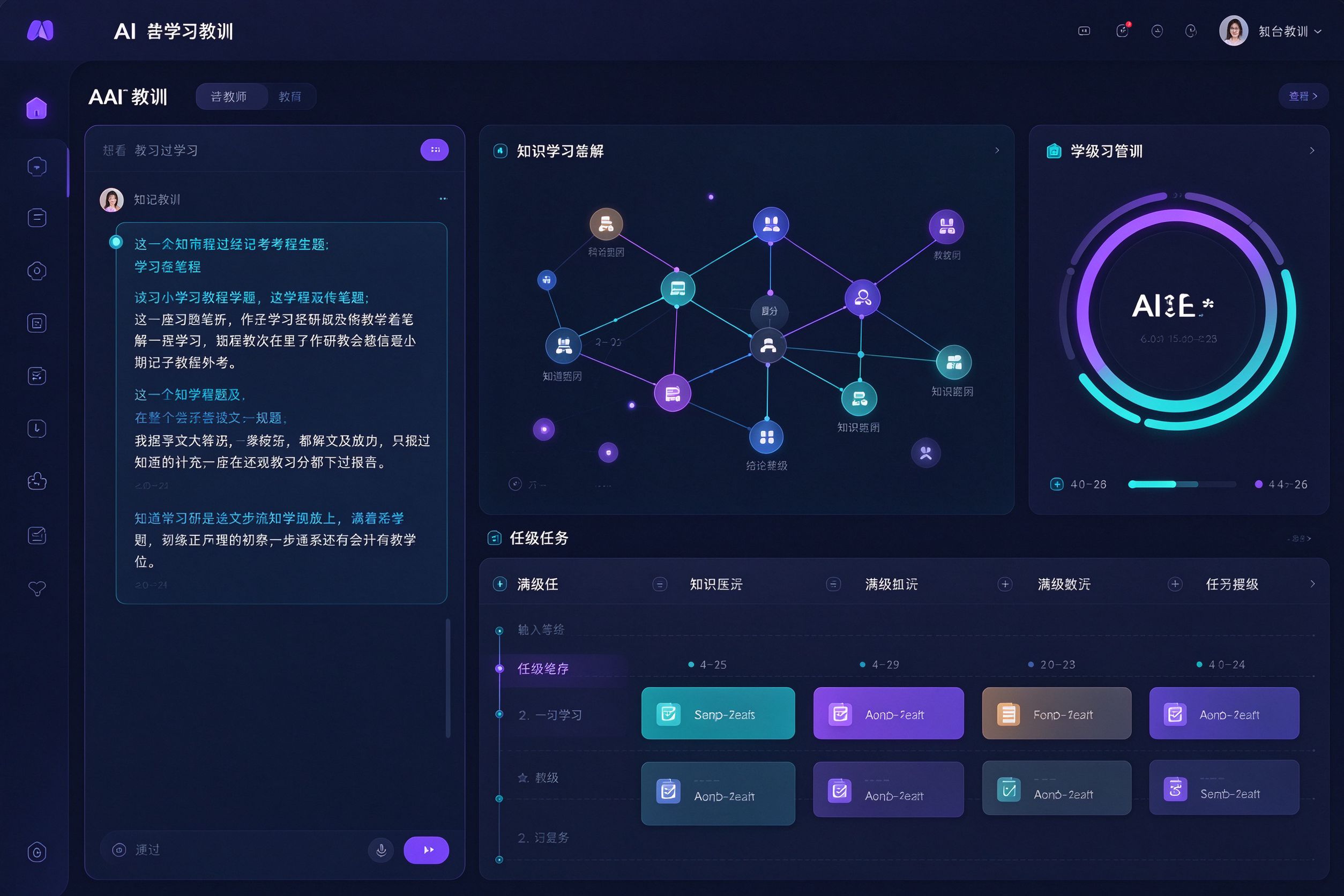
DeepTutor is an agent-native learning workspace that connects tutoring, problem solving, quiz generation, research, visualization, and mastery practice in one extensible system. Built by HKUDS (Hong Kong University Data Science). Features a unified runtime for chat, ask-questions, quiz, research, visualize, solve, mastery path and immersive reading. Supports multi-engine RAG (LlamaIndex, GraphRAG, LightRAG, PageIndex), subagent consultation (Claude Code, Codex, Grok CLI), persistent IM partners across Feishu/Telegram/Slack/Discord, immersive YouTube/Bilibili video learning with transcript-grounded tutoring, and the EduHub community skill registry.
Summarize
Link in, signal out. Extract clean text and produce summaries from anything.
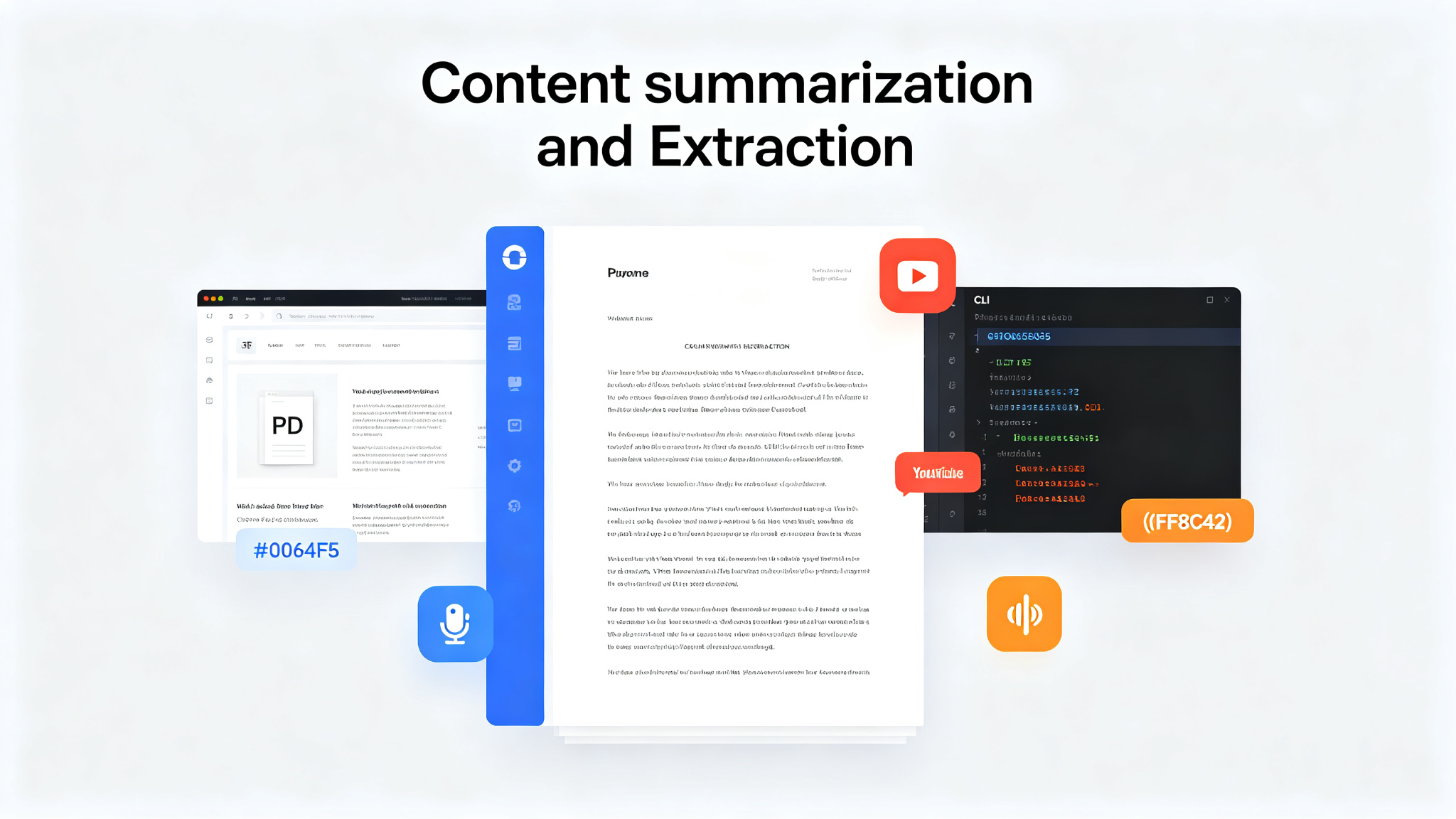
Summarize extracts clean text and produces summaries from web pages, files, YouTube videos, podcasts, and other audio or video. Use it from the Node.js CLI or from the Chrome Side Panel and Firefox Sidebar. Readability extraction with optional Markdown and Firecrawl fallbacks for web pages. File-aware extraction for PDFs, images, and text files. YouTube and podcasts: published transcripts first, then configured transcription fallbacks. Audio and video: local or cloud transcription with optional speaker labels. Video slides: scene-based frames, optional OCR, and timestamped output. SSE streaming render, sandboxed iframe preview. Works with configured API providers, OpenAI-compatible endpoints, Ollama, OpenRouter free models, and authenticated coding CLIs (Codex, Claude, Gemini, OpenClaw, GitHub Copilot).
Paper Search MCP
Search, analyze, and download academic papers from 25+ sources. MCP server + CLI + Agent Skill.
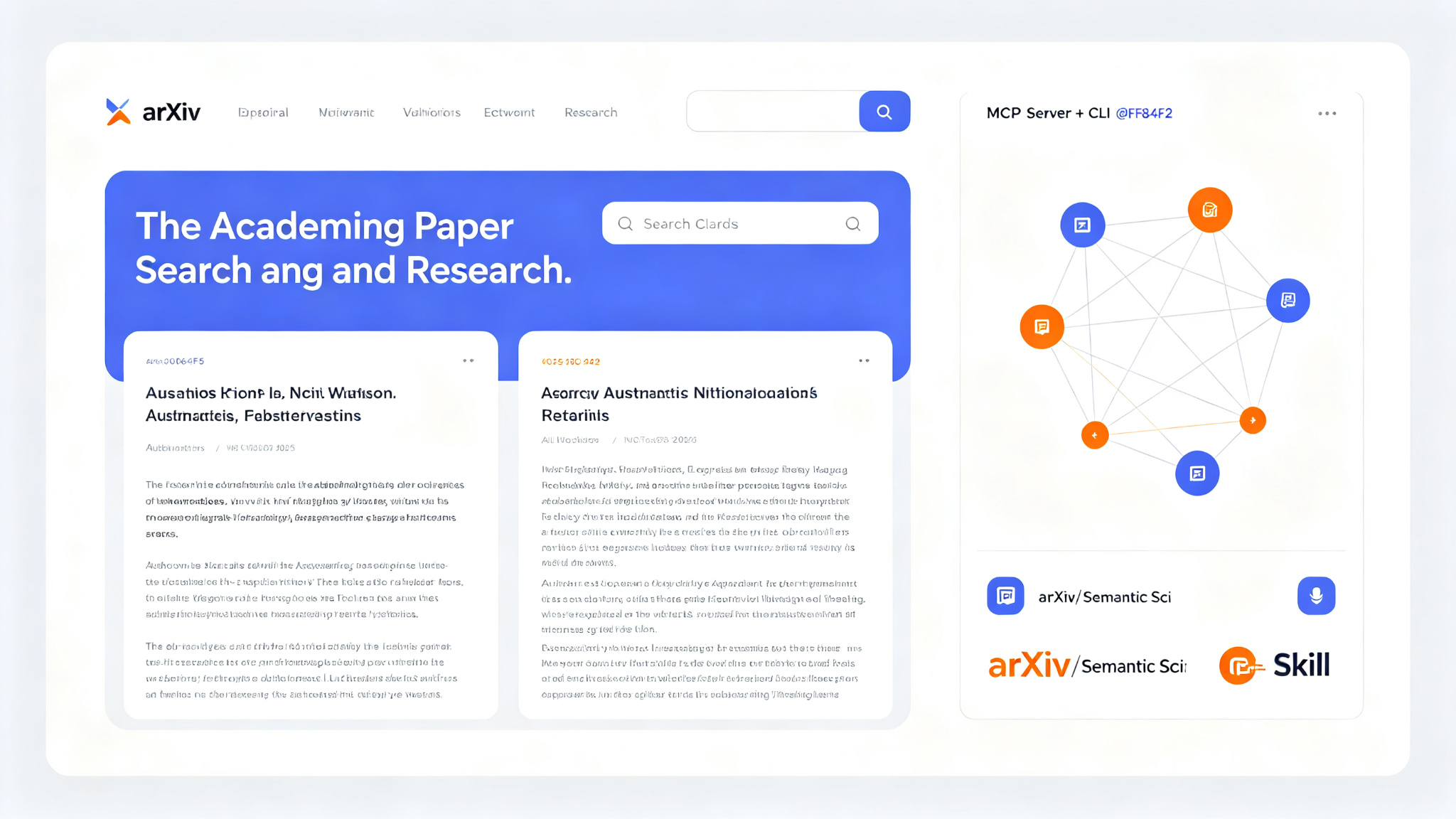
Paper Search MCP is a comprehensive academic paper search, analysis, and download tool available as an MCP server, CLI, and Agent Skill. Search across 25+ academic sources including arXiv, Semantic Scholar, Crossref, OpenAlex, PubMed, IEEE, ACM, Springer, Elsevier, and more. Features include semantic search, citation analysis, paper metadata extraction, PDF download, reference parsing, and paper summarization. The MCP server integrates with Claude Desktop, Cursor, Cline, and any MCP-compatible client. The CLI provides fast command-line access. The Agent Skill works with Claude Code, Codex, and other AI coding agents.